Short‑term calm may lead to long‑term volatility: A seeming hawk‑turned‑dove now confronts a labor market and inflation backdrop that remain far from ideal.
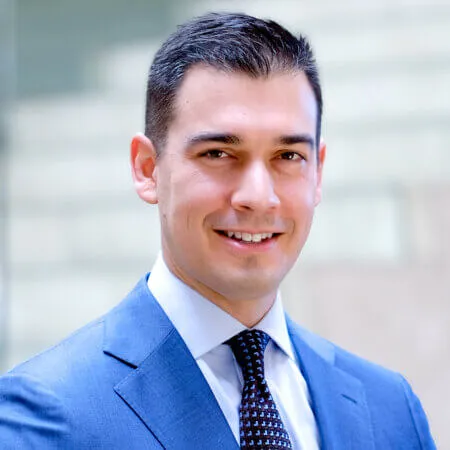
President Trump’s decision to nominate Kevin Warsh as the next chair of the Federal Reserve marks a genuine inflection point for monetary policy. The Fed is simultaneously caught between the two sides of its dual mandate while facing increasing political pressure and questions about its future independence.
The Road to Chairman
Warsh is hardly an unknown quantity. Markets remember him as a crisis‑era governor with strong views on the institution’s direction. His return will help define the next phase of U.S. rate policy, balance sheet strategy, and central bank communication. Still, this announcement represents a surprising turn: as recently as yesterday, prediction markets had Rick Rieder and Christopher Waller as favorites for the job.
Given his stance on the balance sheet and history of prioritizing inflation drift over labor market softness, markets this morning reacted with dollar strength and a steepening yield curve. Warsh has spent years criticizing quantitative easing, arguing that extended asset purchase programs buoyed Wall Street more than Main Street. If this is true and policy shifts, could this create a new risk factor for financial assets?
Market and FOMC Expectations
Markets currently price two cuts in 2026, with the weight toward later in the year. Under Warsh, we see greater uncertainty around this path, with a higher likelihood of additional easing than currently priced in.
Coverage often frames the Fed chair as a singular policymaker with unilateral authority — the reality is far more nuanced. Warsh will not control the policy rate by fiat. The Federal Open Market Committee makes decisions, and each member, governors and regional bank presidents alike, holds an equal vote. The chair shapes the direction and consensus but cannot impose it. This nuance matters, particularly given Trump’s history of buyer’s remorse with his own appointee, Chair Powell.
In the near term, the Warsh nomination reduces uncertainty, given visibility on the selection and a traditional background, but over the longer horizon, we see catalysts for volatility given:
- Markets will need to relearn the Fed’s reaction function under his leadership and communication style, which is an inherently bumpy process.
- Warsh has signaled interest in less transparency, less strict data dependence, and curbing what he sees as institutional overextension.
Open Questions
- Will Powell remain on the Board? Powell could legally remain as governor, and his decision will have implications for continuity and independence.
- How smooth is the path to confirmation? Senator Tillis appears supportive of Warsh but is standing firm on his desire to resolve the DOJ investigation before confirmation.
- Will tensions between the White House and the Fed ease or escalate? The first six months of a Warsh chairmanship will tell us whether this relationship trends toward détente or confrontation. We shall see how long the honeymoon period lasts.
Related Content
More Insights

Real Estate Market Recap: Trends, Challenges, and What Comes Next
Beyond the Hype—Building Smarter Private Credit Portfolios

Structural Forces Are Driving the Current Investment Environment
Key Principles of the ETF Execution Protocol

Finding Opportunity Amid Imbalance: 2026 Market Outlook